Recently, the Project Team from the Institute for Special Needs and Inclusive Education at The Education University of Hong Kong (EdUHK) organized a series of school-based activities in several primary schools in the Tai Po district. These activities are part of the "Loving Baby" Project, a collaborative effort between EdUHK and The Hong Kong University of Science and Technology (HKUST), supported by the Tai Po Wang Fuk Court Emergency Relief Fund of the Li Ka Shing Foundation. The initiative aims to explore the application of artificial intelligence (AI) and robotics to support children's positive thinking development and to bring research outcomes to the campus.
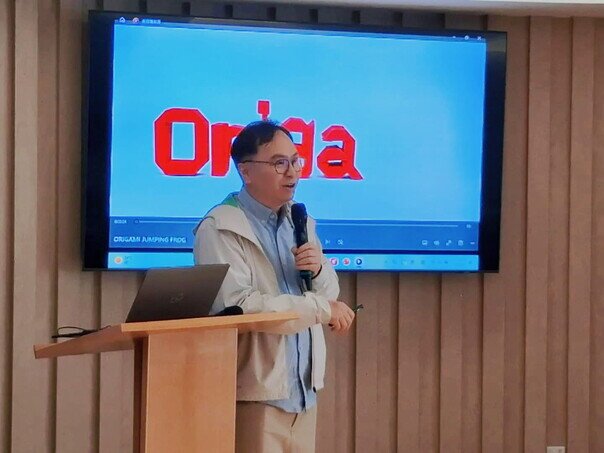
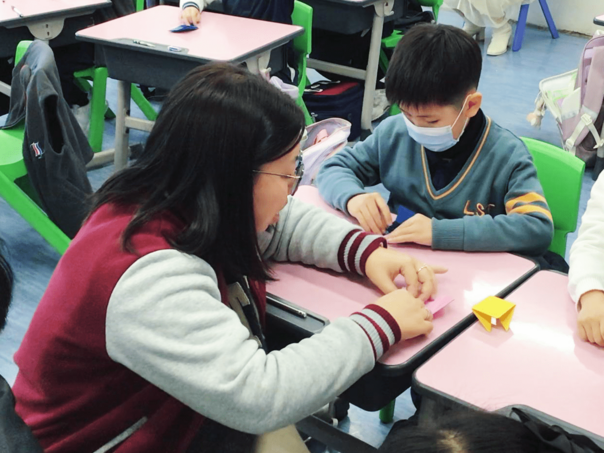
The activities commenced with a positive thinking seminar led by Dr Lui Tsz-leung, Rick from EdUHK. Dr Lui engaged the students through interactive activities, such as paper frog making, viewing positive education videos, and Q&A sessions, creating a relaxed and lively atmosphere. The core objectives of the seminar are to guide students with a positive mindset. Students then learn how to encourage others to cultivate positivity. Finally, we help students foster mutual support to build a positive school atmosphere.
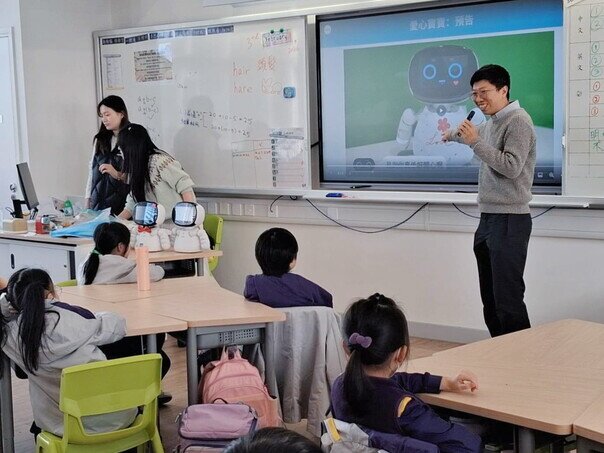
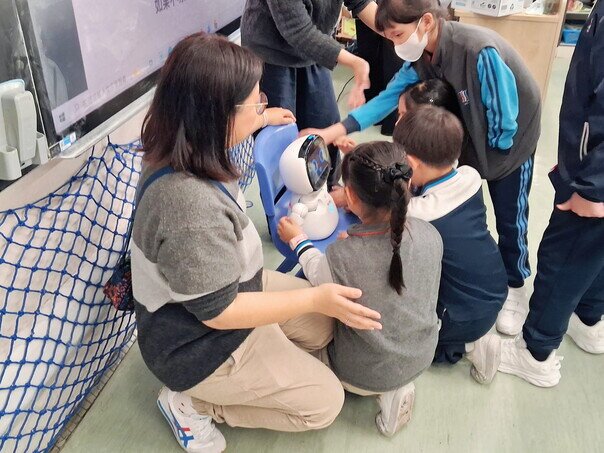
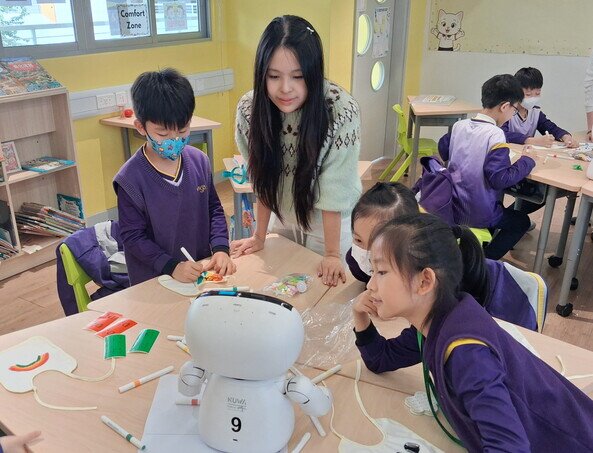
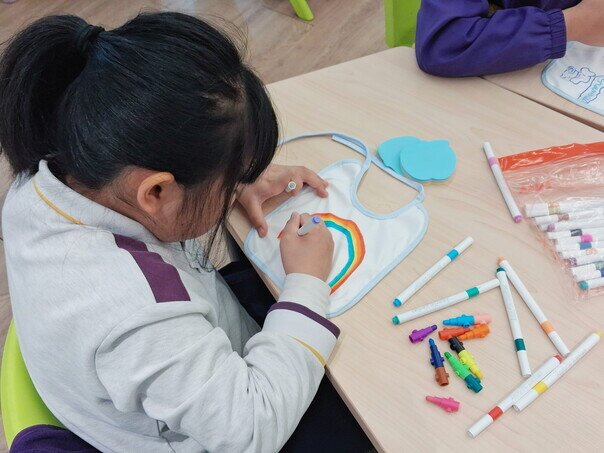
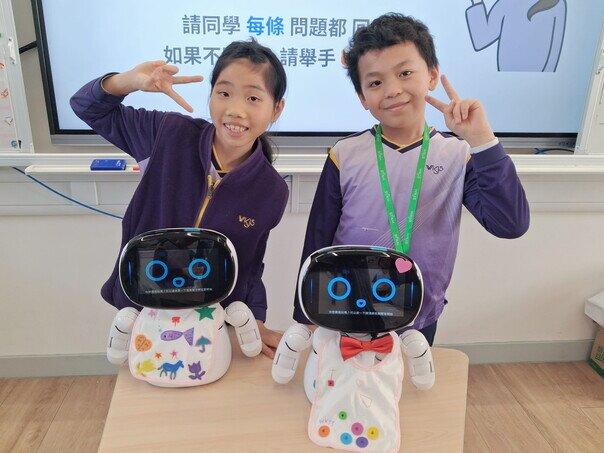
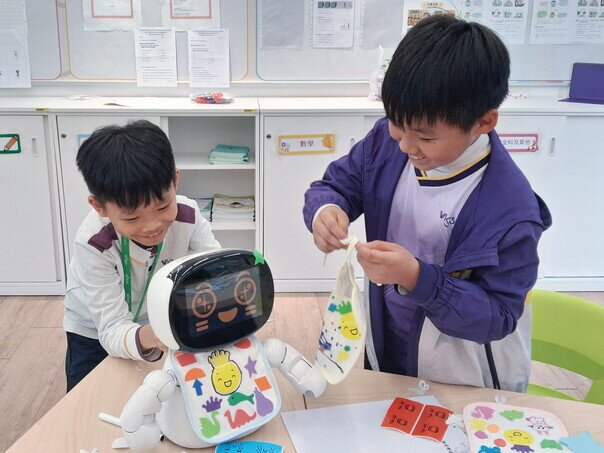
The interactive experience with “Loving Baby” was the highlight of the event. The "Loving Baby" system is co-designed by Dr. Fung Ka-yan (Gabby), a Postdoctoral Fellow at EdUHK, and Mr. Fung Kwong-chiu, a doctoral candidate at HKUST. Students designed a tailored dressing to “Loving Baby”, which fosters a natural emotional connection in a relaxed setting. Through singing, simple conversations, and guided interactions, “Loving Baby” further engaged the students. This activity combined positive thinking guidance with hands-on craft creation, allowing students to learn to identify and express their emotions.
The activities received positive feedback on campus and attracted enthusiastic student participation. Many students shared their thoughts: "Loving baby” is really funny, and "Talking to 'Loving baby' feels reassuring." A shy student who took the initiative to design an outfit for the robot and share his feelings with it. The teacher was particularly impressed by this change.
Teachers from the PHC Wing Kwong Junior School noted that integrating technology into education offers students a fresh perspective. One teacher remarked, “Love Baby” has opened a window for us. Traditional emotional education can sometimes be difficult to tailor to every child. This project lowers defences through artistic creation and provides a safe environment for expression through robot interaction. This is an effective approach. They have seen students of different personalities find ways to participate, which is valuable. The students also felt “heard”, “relaxed and being themselves”. They are surprised that technology could be so “warm and creative”.
Below are some representative responses gathered from students:
Students from PHC Wing Kwong Junior School:
- Student 1: I want to hear "Love Baby" sing.
- Student 2: I want to give the clothes I made to "Love Baby".
- Student 3: "Love Baby" can dance and talk. It's so cute.
- Student 4: I'm very happy, and I really hope the residents of Fortune Estate find their homes rebuilt.
Students from the NTWJWA Leung Sing Tak Primary School also wrote:
- Student 1: Helping others makes me very happy.
- Student 2: I am joyful.
- Student 3: I would give "Love Baby" an ice cream.
Despite a simple phrase, students' responses reveal genuine emotion and joy, reflecting how “Loving Baby” is gradually becoming a companion that students are willing to approach and share their feelings with.
Ms Hung Mo-chuk, Principal of PHC Wing Kwong Primary School, stated: "The AI emotional support robot acts as a different kind of little playmate, giving children, besides teachers and classmates, someone to share their feelings with. Teachers can also gain another perspective on what is on their students' minds. Technology not only enhances learning but also transforms positive education into a force that can be seen, heard, and felt."
Mr Tang Tsz-hin, a teacher at the same school, also pointed out: "By combining AI with emotional support robots, students can receive immediate and personalised emotional guidance in their daily school life, integrating positive education into the experience. This project not only enhances students' self-awareness but also utilises technology to create a safer and more personalised learning environment."
Dr Gabby Fung stated that EdUHK is committed to integrating AI, robotics, positive thinking, and the arts into educational research and to applying these findings to community practice. EdUHK is implementing the "Love Baby" project, deploying AI robots in school settings to serve as interactive partners for students. Recent activity also demonstrates the potential application of technological tools in emotional support.
Looking ahead, EdUHK plans to continue strengthening collaboration with HKUST to expand the "Love Baby" project to more schools. The team will persistently refine the interaction modes between the robots and students and continue to study their impact on children's emotional and social development, ensuring the project's sustainable growth within schools to benefit more students and the wider community.